Today is September 29th, the day three years ago when naval men across the world, and for all time, were made known of an act of courage barely without parallel.
Michael Monsoor died on this day three years ago; in late September, 2006.
"O Eternal Lord God, who alone spreadest out the heavens and rulest the raging of the sea; who has compassed the waters with bounds until day and night come to an end; be pleased to receive into thy Almighty and most gracious protection the persons of us thy servants, and the Fleet in which we serve. Preserve us from the dangers of the sea, and from the violence of the enemy, that we may be a safeguard unto our most gracious Sovereign Lady, Queen Elizabeth, and her Dominions, and a security for such as pass on the seas upon their lawful occasions; that the inhabitants of our Empire may in peace and quietness serve thee our God; and that we may return in safety to enjoy the blessings of the land, with the fruits of our labours, and with a thankful remembrance fo thy mercies to praise and glorify thy holy name, through Jesus Christ our Lord. Amen."
The Naval Prayer is offered by me, your unworthy correspondent, in memory of Master at Arms Michael Monsoor, United States Navy. The naval prayer, you will note, has at it's core, a devotion to the crown of England. This is meant as no disrespect.
On the contrary, The Royal Navy was the principal ruler of the seas for centuries, and though no longer the service of greatest strength upon the Oceans of our world, The Senior Service exists in perpetuity of that, it's greatest legacy; the strength, courage, selflessness and devotion of the men who go down to the sea in ships. Men like Navy SEAL Michael Monsoor.
MICHAEL ANTHONY MONSOOR UNITED STATES NAVY
FOR VALOUR.
They that go down to the sea in ships and occupy their business in great waters: these men see the works of the Lord and his wonders in the deep. For at his word the stormy wind ariseth which lifteth up the waves thereof. They are carried up to the heaven, and down again to the deep: their souls melteth away because of the trouble. They reel to and fro, and stagger like a drunken man, and are at their wits' end. So when they cry unto the Lord in their trouble, he delivereth them out of their distress. For he maketh the storm to cease so that the waves thereof are still. Then are they glad because they are at rest; and so he bringeth them unto the haven where they would be.
Michael Anthony Monsoor (April 5, 1981 – September 29, 2006) was a U.S. Navy SEAL killed during the Iraq War and posthumously awarded the Medal of Honor. Monsoor enlisted in the United States Navy in 2001 and graduated from Basic Underwater Demolition/SEAL training in 2004. After further training he was assigned to Delta Platoon, SEAL Team Three. Delta Platoon was sent to Iraq in April 2006 and assigned to train Iraqi Army soldiers in Ramadi. Over the next five months, Monsoor and his platoon frequently engaged in combat with insurgent forces.
On September 29, 2006 an insurgent threw a grenade onto a rooftop where Monsoor and several other SEAL and Iraqi soldiers were positioned. Monsoor quickly smothered the grenade with his body, absorbing the resulting explosion and most likely saving his comrades from serious injury or death. Monsoor died 30 minutes later from serious wounds caused by the grenade explosion.
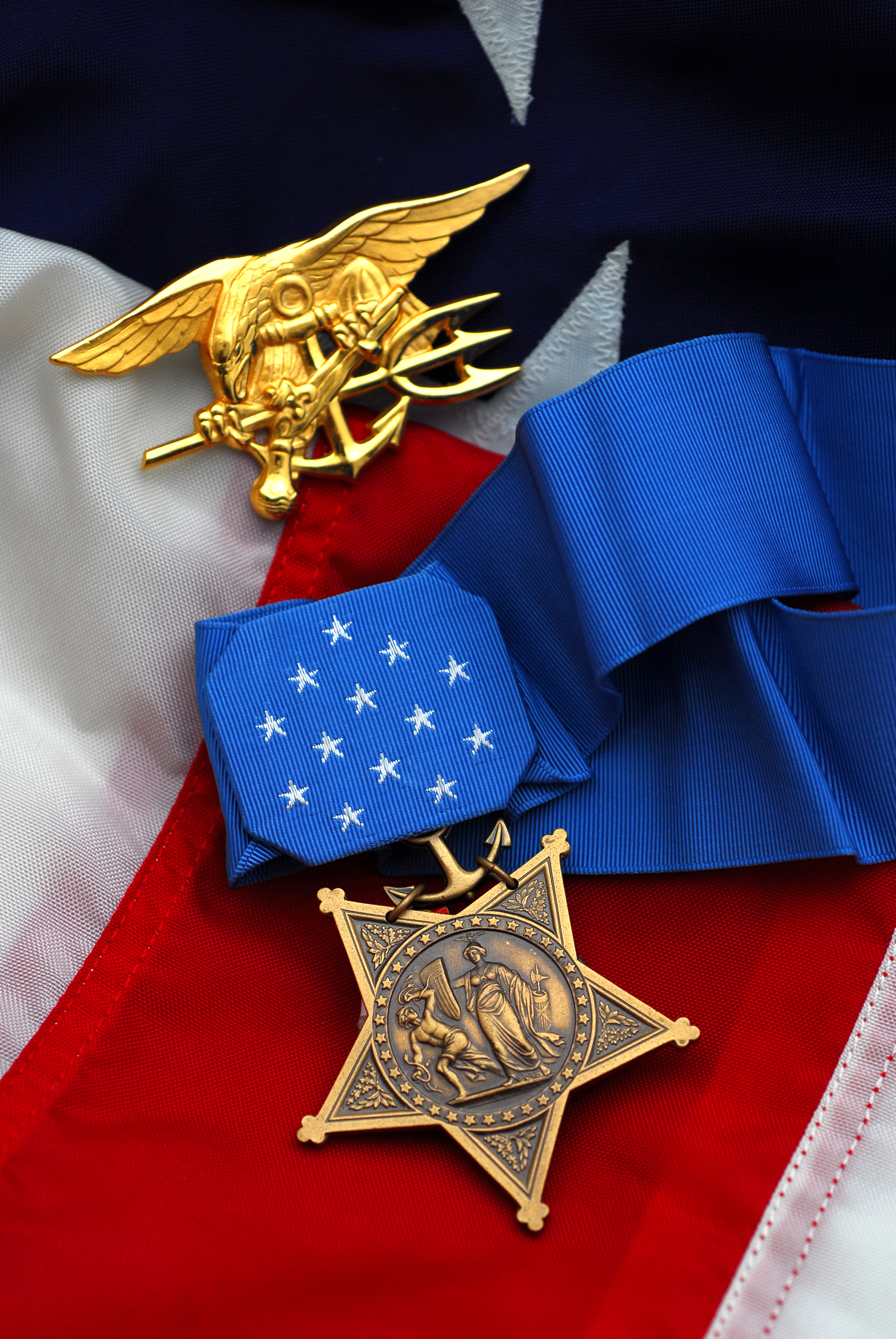
On March 31, 2008, the United States Department of Defense confirmed that Michael Monsoor would posthumously receive the Medal of Honor from the President of the United States, George W. Bush. Bush presented the medal to Monsoor's parents on April 8, 2008.
In October 2008, United States Secretary of the Navy Donald C. Winter announced that DDG-1001, the second ship in the Zumwalt class of destroyers, would be named Michael Monsoor in honor of Monsoor.
Petty Officer Michael A. Monsoor, United States Navy, distinguished himself through conspicuous gallantry and intrepidity at the risk of his life above and beyond the call of duty as a Combat Advisor and Automatic Weapons Gunner for Naval Special Warfare Task Group Arabian Peninsula in support of Operation Iraqi Freedom on 29 September 2006. He displayed great personal courage and exceptional bravery while conducting operations in enemy held territory at Ar Ramadi Iraq.
During Operation Kentucky Jumper, a combined Coalition battalion clearance and isolation operation in southern Ar Ramadi, he served as automatic weapons gunner in a combined SEAL and Iraqi Army (IA) sniper overwatch element positioned on a residential rooftop in a violent sector and historical stronghold for insurgents. In the morning, his team observed four enemy fighters armed with AK-47s reconnoitering from roads in the sector to conduct follow-on attacks. SEAL snipers from his roof engaged two of them which resulted in one enemy wounded in action and one enemy killed in action. A mutually supporting SEAL/IA position also killed an enemy fighter during the morning hours. After the engagements, the local populace blocked off the roads in the area with rocks to keep civilians away and to warn insurgents of the presence of his Coalition sniper element. Additionally, a nearby mosque called insurgents to arms to fight Coalition Forces.
In the early afternoon, enemy fighters attacked his position with automatic weapons fire from a moving vehicle. The SEALs fired back and stood their ground. Shortly thereafter, an enemy fighter shot a rocket-propelled grenade at his building. Though well-acquainted with enemy tactics in Ar Ramadi, and keenly aware that the enemy would continue to attack, the SEALs remained on the battlefield in order to carry out the mission of guarding the western flank of the main effort.
Due to expected enemy action, the officer in charge repositioned him with his automatic heavy machine gun in the direction of the enemy’s most likely avenue of approach. He placed him in a small, confined sniper hide-sight between two SEAL snipers on an outcropping of the roof, which allowed the three SEALs maximum coverage of the area. He was located closest to the egress route out of the sniper hide-sight watching for enemy activity through a tactical periscope over the parapet wall. While vigilantly watching for enemy activity, an enemy fighter hurled a hand grenade onto the roof from an unseen location. The grenade hit him in the chest and bounced onto the deck. He immediately leapt to his feet and yelled “grenade” to alert his teammates of impending danger, but they could not evacuate the sniper hide-sight in time to escape harm. Without hesitation and showing no regard for his own life, he threw himself onto the grenade, smothering it to protect his teammates who were lying in close proximity. The grenade detonated as he came down on top of it, mortally wounding him.
Petty Officer Monsoor’s actions could not have been more selfless or clearly intentional. Of the three SEALs on that rooftop corner, he had the only avenue of escape away from the blast, and if he had so chosen, he could have easily escaped. Instead, Monsoor chose to protect his comrades by the sacrifice of his own life. By his courageous and selfless actions, he saved the lives of his two fellow SEALs and he is the most deserving of the special recognition afforded by awarding the Medal of Honor.
CITATION:
FOR CONSPICUOUS GALLANTRY AND INTREPIDITY AT THE RISK OF HIS LIFE ABOVE AND BEYOND THE CALL OF DUTY AS AUTOMATIC WEAPONS GUNNER FOR NAVAL SPECIAL WARFARE TASK GROUP ARABIAN PENINSULA, IN SUPPORT OF OPERATION IRAQI FREEDOM ON 29 SEPTEMBER 2006. AS A MEMBER OF A COMBINED SEAL AND IRAQI ARMY SNIPER OVERWATCH ELEMENT, TASKED WITH PROVIDING EARLY WARNING AND STAND-OFF PROTECTION FROM A ROOFTOP IN AN INSURGENT HELD SECTOR OF AR RAMADI, IRAQ, PETTY OFFICER MONSOOR DISTINGUISHED HIMSELF BY HIS EXCEPTIONAL BRAVERY IN THE FACE OF GRAVE DANGER. IN THE EARLY MORNING, INSURGENTS PREPARED TO EXECUTE A COORDINATED ATTACK BY RECONNOITERING THE AREA AROUND THE ELEMENT’S POSITION. ELEMENT SNIPERS THWARTED THE ENEMY’S INITIAL ATTEMPT BY ELIMINATING TWO INSURGENTS. THE ENEMY CONTINUED TO ASSAULT THE ELEMENT, ENGAGING THEM WITH A ROCKET-PROPELLED GRENADE AND SMALL ARMS FIRE. AS ENEMY ACTIVITY INCREASED, PETTY OFFICER MONSOOR TOOK POSITION WITH HIS MACHINE GUN BETWEEN TWO TEAMMATES ON AN OUTCROPPING OF THE ROOF. WHILE THE SEALS VIGILANTLY WATCHED FOR ENEMY ACTIVITY, AN INSURGENT THREW A HAND GRENADE FROM AN UNSEEN LOCATION, WHICH BOUNCED OFF PETTY OFFICER MONSOOR’S CHEST AND LANDED IN FRONT OF HIM. ALTHOUGH ONLY HE COULD HAVE ESCAPED THE BLAST, PETTY OFFICER MONSOOR CHOSE INSTEAD TO PROTECT HIS TEAMMATES. INSTANTLY AND WITHOUT REGARD FOR HIS OWN SAFETY, HE THREW HIMSELF ONTO THE GRENADE TO ABSORB THE FORCE OF THE EXPLOSION WITH HIS BODY, SAVING THE LIVES OF HIS TWO TEAMMATES. BY HIS UNDAUNTED COURAGE, FIGHTING SPIRIT, AND UNWAVERING DEVOTION TO DUTY IN THE FACE OF CERTAIN DEATH, PETTY OFFICER MONSOOR GALLANTLY GAVE HIS LIFE FOR HIS COUNTRY, THEREBY REFLECTING GREAT CREDIT UPON HIMSELF AND UPHOLDING THE HIGHEST TRADITIONS OF THE UNITED STATES NAVAL SERVICE.
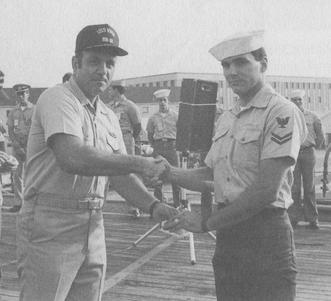
Captain Fred Moosally, USN presenting Seaman Clayton Hartwig with a Duty Award at Norfolk in the summer of 1988.
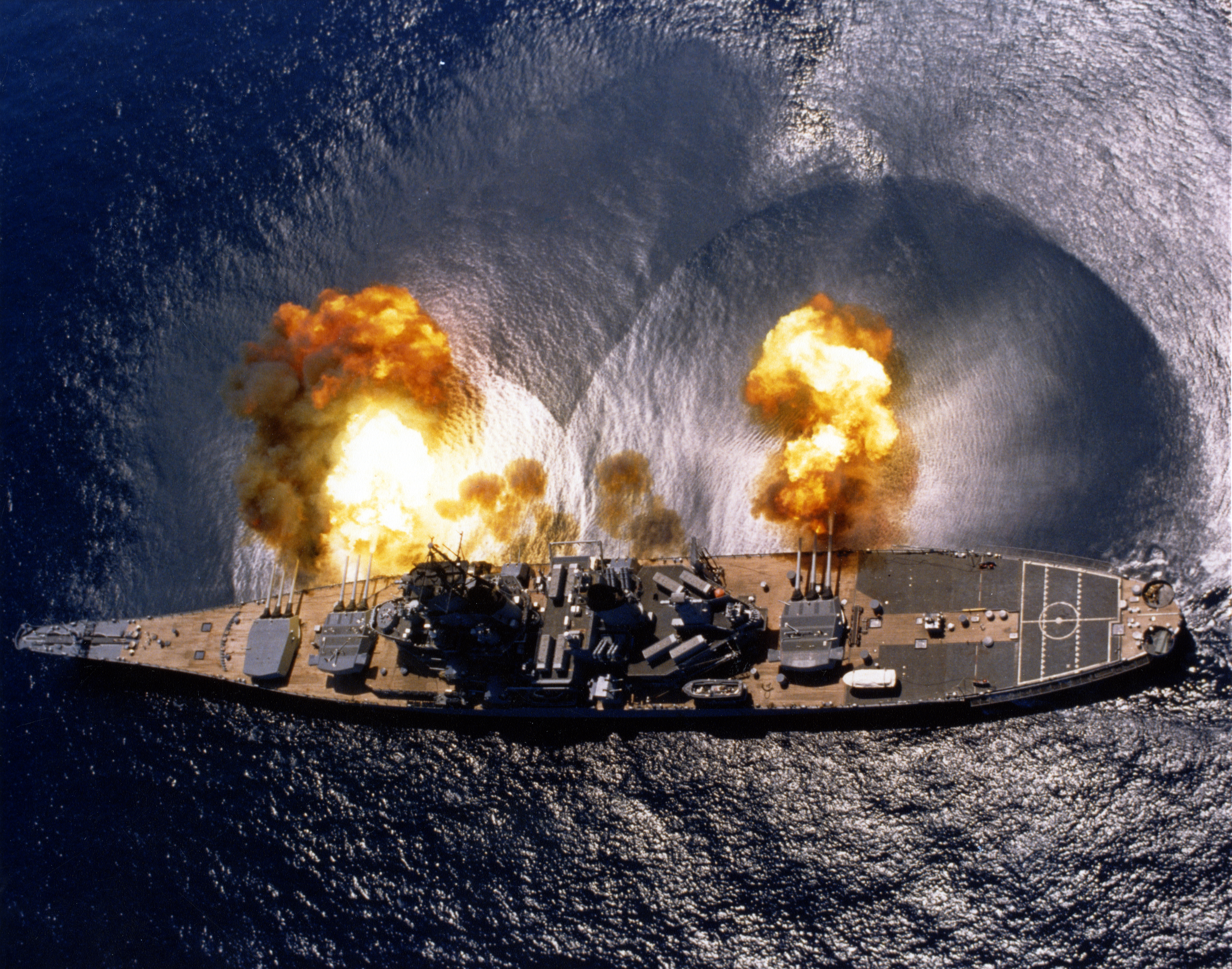
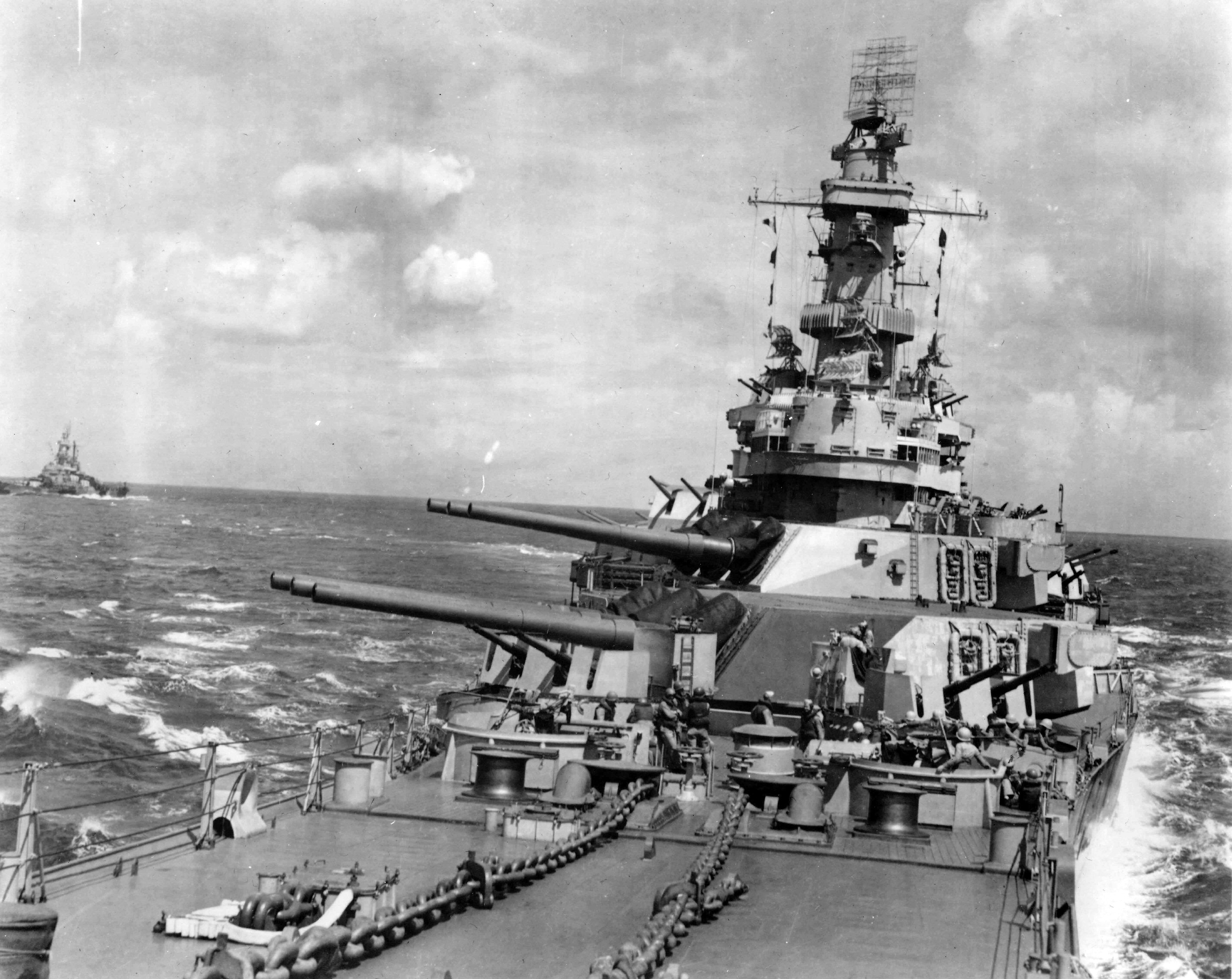
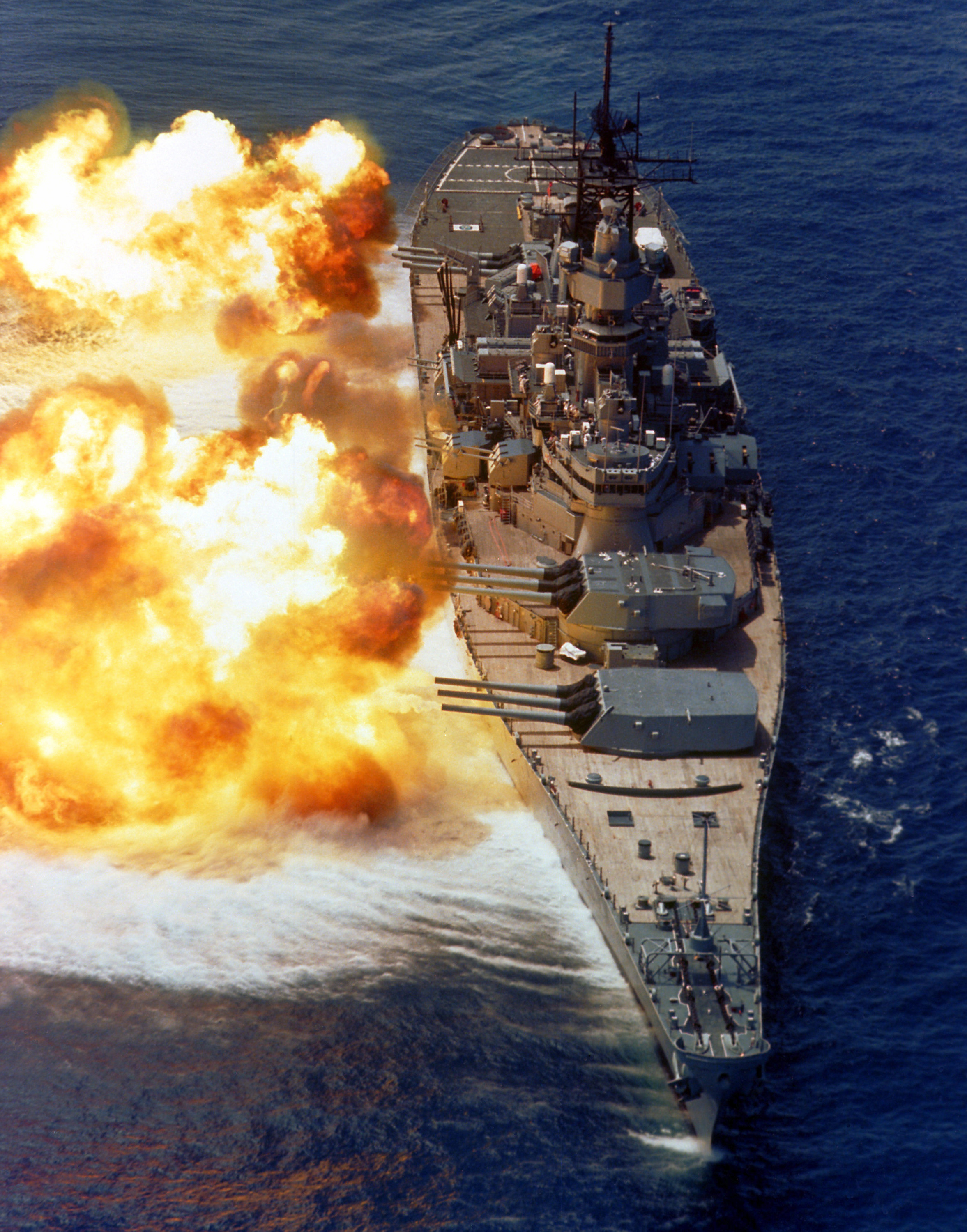
USS Iowa (BB-61) ("The Big Stick") was the lead ship of her class of battleship, and was the fourth ship of in the United States Navy to be named in honour of the 29th state. USS Iowa is the only ship of the class to have served a combat tour in the Atlantic Ocean during World War II.
During World War II, Iowa served in the Atlantic fleet as a countermeasure against the German battleship Tirpitz. When transferred to the Pacific fleet in 1944, Iowa shelled beachheads at Kwajalein and Eniwetok in advance of Allied amphibious landings and screened aircraft carriers operating in the Marshall Islands. During the Korean War, Iowa was involved in raids up and down the North Korean coast, after which she was decommissioned into the United States Navy reserve fleets, better known as the "mothball fleet". She was reactivated in 1984 as part of the 600-ship Navy plan, and operated in both the Atlantic and Pacific fleets to counter the recently expanded Soviet Navy.
In April 1989 an explosion of undetermined origin wrecked her #2 gun turret, killing 47 sailors.
Iowa was decommissioned for the last time in 1990, and was initially struck from the Naval Vessel Register in 1995; however, she was reinstated in 1999 to allow her sister ship New Jersey to be donated to her namesake state for use as a museum. Iowa is currently berthed with the National Defense Reserve Fleet at Suisun Bay, near San Francisco, California, and is awaiting donation to a not-for-profit entity for use as a museum ship.
At present, Iowa is the only member of her class not open to the public.
At 9:55 AM on 19 April 1989, an explosion ripped through the Number Two 16 inch gun turret, killing 47 crewmen. A sailor in the powder magazine room quickly flooded it, thereby preventing catastrophic damage to the ship. At first, the NCIS investigators theorized that one of the dead crewman, Clayton Hartwig, had detonated an explosive device in a suicide attempt after the end of an alleged homosexual affair with another sailor.
To support this claim naval officials pointed to several different factors, including Hartwig's life insurance policy, which named Kendall Truitt as the sole beneficiary in the event of his death, the presence of certain unexplained materials inside Turret II, and his mental state, which was alleged to be unstable. Although the Navy was satisfied with the investigation and its results, others were unimpressed with the NCIS investigation, and in October 1991, amid increasing criticism over what was seen as a very poor investigation with little or no real forensic proof, Congress relented and forced the Navy to reopen the investigation.
This second investigation, handled by independent investigators, was hampered by the fact that most of original debris from Iowa had been cleaned up or otherwise disposed of by the Navy before and after the first investigation, but the investigation did manage to uncover evidence pointing to an accidental powder explosion rather than an intentional act of sabotage by sailors, homosexual or otherwise.
While Iowa was undergoing modernization, sister ship USS New Jersey (BB-62) had been dispatched to Lebanon to aid the peacekeeping forces by providing offshore fire support. Unfortunately, New Jersey was at the time the only commissioned battleship anywhere in the world, and in an effort to get another battleship commissioned to relieve New Jersey, the modernization of Iowa was stepped up, leaving her in poor condition when she recommissioned in 1984. In May 1988, Captain Fred Mosally, USN replaced Captain Larry Seaquist, USN as captain of the Iowa. Unlike Captain Seaquist, who had placed emphasis on the training and manning of guns, Captain Mosally was more concerned with the maintenance of the missiles on Iowa.
It transpires the Navy had improperly stored the gunpowder used aboard the battleship; it had been placed aboard a barge where sunlight and other elemental factors contributed to its degradation. Powder from the same lot as the one under investigation was tested at the Naval Surface Warfare Center Dahlgren Division. Spontaneous combustion was achieved with the powder, which had been originally milled in the 1930s and improperly stored in a barge at the Navy's Yorktown, Virginia Naval Weapons Station during a 1988 dry-docking of the Iowa.
Gun powder gives off ether gas as it degrades; the ether is highly flammable, and could be ignited by a spark. This revelation resulted in a shift in the Navy's position on the incident, and Admiral Frank Kelso, the Chief of Naval Operations at the time, publicly apologized to the Hartwig family, concluding that there was no real evidence to support the claim that he had intentionally killed the other sailors. The captain of the Iowa, Captain Fred Moosally, was severely criticized for his handling of the matter, and as a result of the incident the Navy changed the powder-handling procedures for its battleships.
The incident remains the surface Navy's worst loss of life during peace time operations, surpassing the loss of life incurred from the attack of an Iraqi Air Force jet on the Oliver Hazard Perry-class guided missile frigate USS Stark (FFG-31).